Starting a graphic designing company from home in 2026 is a smart low cost and high potential business, especially if you already understand digital marketing or freelancing. With businesses moving online faster than ever the demand for logos, branding, social media creatives, ads and UI visuals is growing globally. If you build skills, systems and a strong brand you can run a profitable company without an office or large team.
Some designers asked to me that how to start a graphic designing company from home and what is the importance and major benefits to start a graphic design company. The importance and demand of graphic designing companies are higher than ever and this demand will continue to grow in the coming years. As businesses compete for attention online, visual identity has become a necessity, not a luxury. From startups to global brands, everyone needs professional design to build trust, stand out and convert customers this is why graphic designing companies are in constant demand.
Every Business Needs Strong Visual Branding
- First impression is last impression.
- Logo, colors, and design define brand identity
- Professional design builds trust and credibility
- Poor visuals reduce conversion and engagement
- Agencies help businesses look professional
Rapid Growth of Digital Businesses
- Digital expansion is driving demand.
- E-commerce stores need banners and product creatives
- Social media marketing needs daily visual content
- Online ads depend heavily on eye-catching designs
- Agencies provide consistent design support
Social Media & Content Boom
- Content is now visual-first.
- Reels, ads, thumbnails and stories need design
- Brands post daily across multiple platforms
- In-house teams are expensive for small businesses
- Agencies offer cost effective monthly packages
Set Up Your Online Presence
- You don’t need a big website at the start.
- Simple website or landing page enough
- Instagram, LinkedIn and Behance/Dribbble profiles
- Professional email and brand name
- Clear services, pricing range and contact info
Decide Your Services & Pricing
- Logo design packages simple to advance
- Monthly social media design plans
- Branding kits for startups
- Per-project vs monthly retainer pricing
- Start reasonable, increase with results
How to start a digital marketing agency from home? (in 2026)
Skills and Qualification needed for Graphic Design
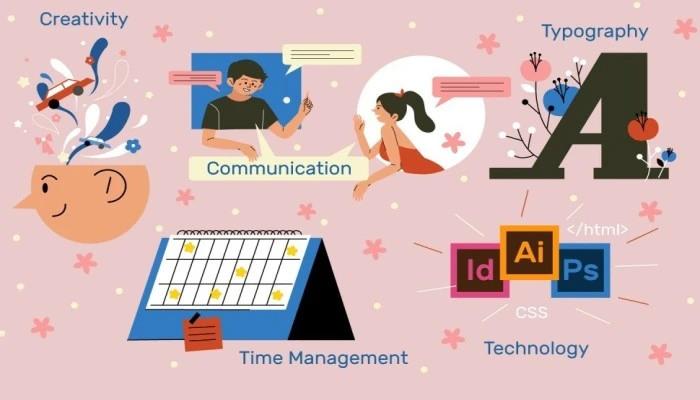
Graphic design is a skill-based career, not a degree dependent one. In today’s market especially for freelancers and agencies, what you can design matters far more than what certificate you have. If you build strong practical skills and a solid portfolio, you can work with local and international clients even without a formal degree. To become a successful graphic designer, skills, portfolio and mindset matter more than qualifications. If you focus on practical learning, consistency and real world application, graphic design can become a high income and long term career.
Core Graphic Design Skills (Must have)
- Understanding of color theory and typography
- Layout, alignment, spacing and visual hierarchy
- Branding and logo design fundamentals
- Image editing and visual storytelling
- Ability to convert ideas into visuals
Design Software Skills
- Tools are essential but skill comes first.
- Professional design software (vector & raster tools)
- Photo editing and retouching skills
- Social media and ad creative design
- File formats, export settings and print basics
- Speed and efficiency in design workflow
Creativity & Problem-Solving.
- Understand client goals and audience
- Design for conversion, not just beauty
- Solve business problems visually
- Create unique yet practical designs
Basic Digital Marketing Knowledge
- Social media design requirements
- Ad creatives that attract clicks
- Understanding branding and user psychology
- Design aligned with marketing objectives
Communication & Client Handling Skills
- Understanding client requirements clearly
- Presenting and explaining your designs
- Handling revisions professionally
- Managing deadlines and expectations
Portfolio (More Important Than Degree)
- Your portfolio is your real qualification.
- Show 8 to 10 strong relevant designs
- Focus on quality over quantity
- Include real-world use cases
- Highlight your niche and strengths
Formal Qualifications (Optional)
- Diploma or short term design courses
- Online certifications for learning structure
- No degree required for freelancing or agencies
- Clients care more about results than degrees
Equipment and Tools you must have
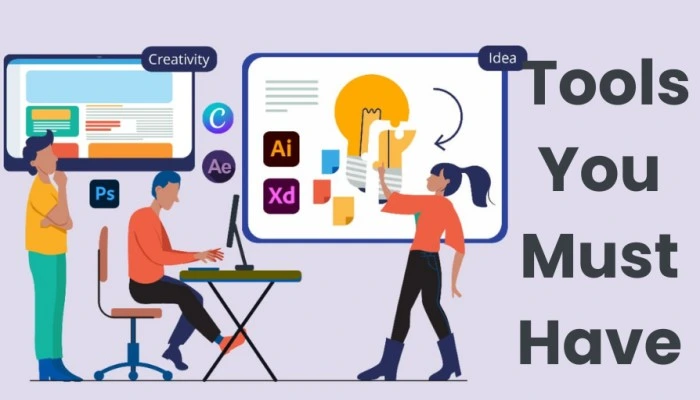
To succeed as a graphic designer (company owner), having the right equipment and tools is extremely important. Good tools don’t replace skills but they increase speed, quality and professionalism which directly impacts clients satisfaction and income. You don’t need the most expensive setup to start but you must have a reliable system, proper tools and a professional workflow. Good tools help you deliver better work.
Laptop or Desktop (Your Main Asset)
- Your system should handle design work smoothly.
- Fast processor for multitasking
- Minimum 8GB RAM (16GB is better for heavy work)
- Minimum 500GB SSD for faster performance
- Good display quality for accurate colors
High Quality Monitor (Optional)
- Bigger screen improves workflow
- Better color accuracy for professional work
- Helps in multitasking and layout design
- Very useful for company level work
- Design Software & Tools
- Professional graphic design software
- Photo editing and vector design tools
- Presentation and mockup tools
- AI-powered tools for faster design work
- Stock Resources & Assets
- Saves time and improves quality productivity.
- High quality images and vectors
- Icons, fonts and mockups (High Quality)
- Templates for social media and ads
- Legal usage is very important for clients
- Internet & Backup System
- Stable high-speed internet and wifi
- Cloud backup for design files (smart work)
- External storage for safety (like pandrives)
- Inverter, solar panel, battery (for electricity backup)
If you want to start a print graphic designing company, especially from home in 2026, you’ll need a mix of reliable equipment, professional tools and workflow solutions that help you produce high quality designs consistently. Print design is different from digital design because the work has to be precise in color, size, resolution and format so the gear you choose directly affects client satisfaction and brand reputation.
You don’t need everything at once start with a good computer, professional design software and a color-accurate monitor. As your print company grows, gradually add hardware like a print proofing system, professional printer and finishing tools. The right equipment helps you deliver professional print design work, hit deadlines and build client trust, all of which lead to faster growth and better earnings.
Reliable Computer (Core Tool)
This is the heart of your company everything runs through it.
- Desktop or laptop with strong performance
- Processor: Intel i5 / i7 or AMD equivalent
- RAM: Minimum 16 GB (32 GB recommended)
- Storage: SSD for fast workflow
- GPU: Not mandatory but helpful for large files
- Color-accurate display helps ensure print colors are true
- A dedicated system reduces crashes and increases productivity
- Print files (CMYK, 300 DPI) are larger and heavier than digital files slow systems kill workflow speed.
Professional Monitor (Color Accuracy)
Print design demands more accurate colors than normal screens.
- Choose a monitor with wide color gamut (sRGB / Adobe RGB)
- IPS panel for better viewing angles
- Calibration tool or built in calibration software
- On-screen colors must closely match printed output mismatched color leads to unhappy clients.
Quality Printer (Optional to Start)
Starting with a printer at home gives you faster prototyping and proofing.
- Inkjet or laser printer with high resolution
- Prefer models with CMYK accurate output
- Useful for proofs before sending to large production printers
- Quick test prints help you catch mistakes before final production.
Backup Storage & Cloud Sync
- Losing files means losing time and trust.
- External SSD or HDD (for local backup)
- Cloud storage (Google Drive, Dropbox)
- Version control for client files
- Safe backups protect clients’ work and your business continuity.
- Design Software Essentials
Print design requires different tools than social media graphics.
- Photoshop – photo editing & raster work
- Illustrator – vector & logo design
- InDesign – layout for brochures, books, flyers
- Canva Pro (for quick social prints)
- Print layout, bleed, crop marks and CMYK builds require specific design tools.
Cutting & Finishing Tools (Optional Starter Kit)
If you plan to produce physical print prototypes
- Heavy duty paper cutter
- Trimmer or a craft knife and a Cutting mat
- Ruler and French curve
- Manual proofing and mockups help sell concepts faster.
Office Accessories & Ergonomics
Good setup improves productivity and reduces fatigue.
- Adjustable chair and desk
- Color calibrated lighting
- Keyboard and Mouse or stylus combo
- Cable & file management
Use Social Media to get Clients and Awareness
Social media is one of the most powerful and low-cost ways to get clients and build awareness for your graphic designing company. In 2026, most businesses discover designers through Instagram, LinkedIn, Facebook and YouTube, not through offices or visiting cards. Social media helps you show your work instead of explaining it. When potential clients repeatedly see your designs, tips and success stories, they start trusting your company. This trust converts into inquiries, referrals and paid projects especially when your content is consistent and value driven.
Choose the Right Platforms (Very Important)
- Instagram for Best for visuals, reels, and portfolios
- LinkedIn for Best for corporate, startups and B2B clients
- Facebook for Local businesses and community reach
- YouTube & Shorts for Authority and long term visibility
- Avoid being everywhere, master 2 to 3 platforms first.
Create a Strong & Professional Profile
- Your profile is your first impression.
- Attractive company name and logo
- Short bio explaining services and niche
- Link to portfolio or WhatsApp
- Highlight “Graphic Design Company” clearly
- A weak profile kills trust instantly.
Post High-Quality & Consistent Content
- Before and after design transformations
- Logo, branding and social media samples
- Reels showing design process
- Client testimonials and results
- Quality content attracts serious clients, not free seekers.
Use Reels, Shorts & Visual Stories
- Short video content boosts reach.
- Design breakdowns
- Speed art and redesigns
- Client case studies
- Reels give you organic reach & brand visibility.
Run Low-Budget Targeted Ads
- Small ads also give you big visibility.
- Promote best designs
- Target business owners & startups
- Use lead forms or WhatsApp CTA
If you have read this blog till here than it means you have to understood that how to start Graphic Designing company from home but too many people fail in this startup because they didn’t avoid some common mistakes in this field.
Avoid these mistakes to succeed
Succeeding in graphic designing is not just about creativity it’s also about avoiding common mistakes that slow growth, reduce income and damage your professional image. Many talented designers fail not because they lack skills but because they repeat the same avoidable errors. If you stay aware of these mistakes early, your journey becomes much faster and smoother.
Focusing Only on Design, Not on Problem-Solving
- Design is about results, not just visuals.
- Clients want solutions, not decorations
- Understand business goals before designing
- Design should improve branding, trust or sales
- Pretty designs without purpose don’t retain clients
Not Building a Strong Portfolio
- Your portfolio is your real resume.
- Too many average designs reduce credibility
- Lack of niche makes you look confused
- No real-world use cases lowers trust
- Quality portfolio give you high paying clients
Using Low-Quality Equipment & Tools
- Poor tools reduce output quality.
- Slow systems waste time and energy
- Poor display affects color accuracy
- Pirated or outdated software causes issues
- Professional tools reflect professional work
Not Improving Communication Skills
- Not understanding client requirements clearly
- Poor response time creates frustration
- Not explaining design logic professionally
- Good communication builds long-term clients
Not Updating Skills With Trends
- Old styles reduce demand
- Ignoring motion & UI trends limits income
- Avoiding AI tools slows productivity
- Learning keeps you competitive
Inconsistency & Giving Up Too Early
- Irregular practice slows improvement
- Posting randomly kills visibility
- Expecting instant success leads to burnout
- Consistency beats talent in the long run